
Soft Close Cabinet Hinges: Everything You Need to Know
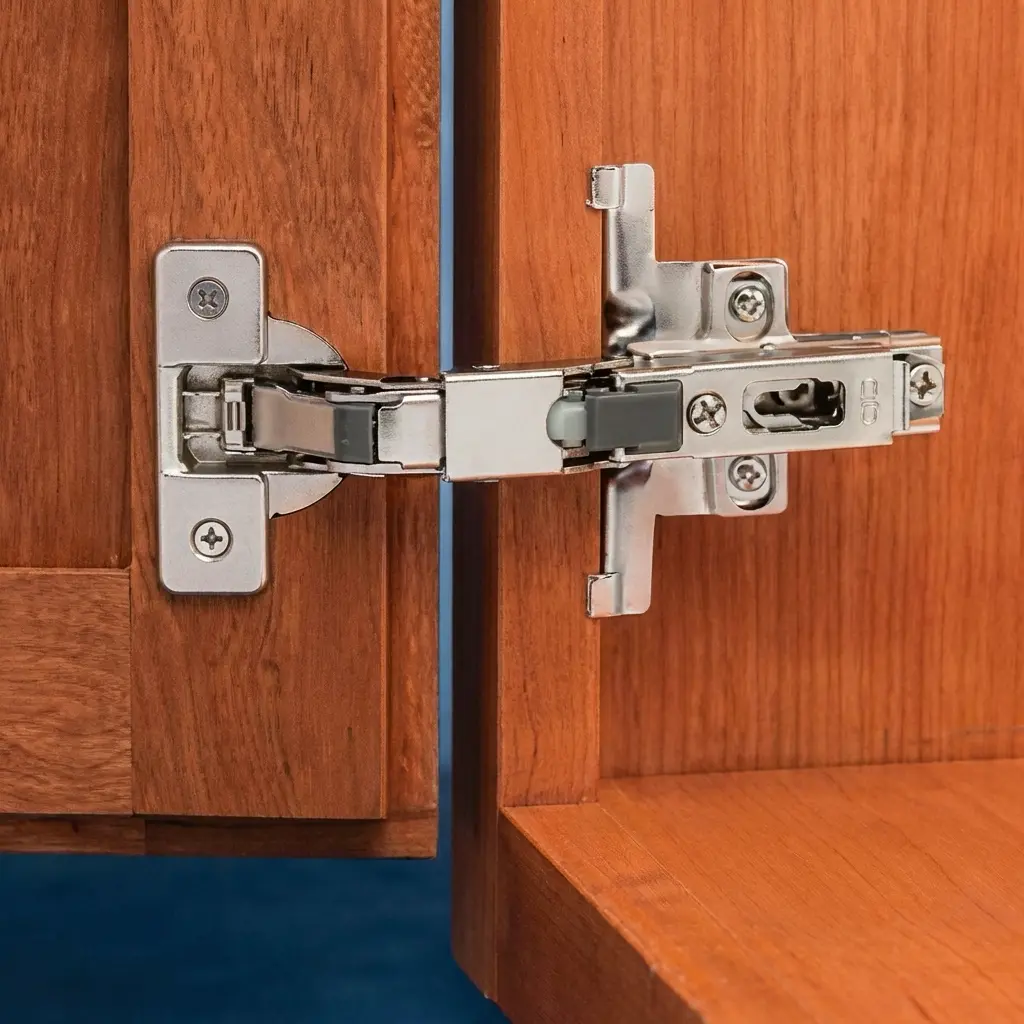
If you have ever slammed a cabinet door and cringed at the noise, you already understand the appeal of soft close cabinet hinges. These small but mighty hardware components have become a staple in modern kitchens, bathrooms, and cabinetry throughout the home. Whether you are building new cabinets, renovating your kitchen, or simply looking to upgrade your existing hardware, soft close hinges are one of the best investments you can make for both function and longevity.
What Are Soft Close Cabinet Hinges?
Soft close cabinet hinges are a type of concealed hinge equipped with a built-in hydraulic or mechanical damping mechanism. This mechanism slows the door down in the final inch or two of its closing arc, allowing it to shut quietly and gently every single time. Rather than relying on the user to close the door carefully, the hinge does all the work automatically.
Most soft close hinges are of the European-style cup hinge variety, also known as concealed hinges or Blum-style hinges. They mount to the inside of the cabinet door and the cabinet frame, keeping all hardware hidden from view when the door is closed. The soft close feature is either integrated directly into the hinge body or added via a separate soft close clip-on adapter.
The Benefits of Soft Close Hinges
Upgrading to soft close hinges offers a wide range of practical benefits that go beyond simply reducing noise. Here is why so many homeowners, woodworkers, and cabinet makers choose them for every project.
Reduced Noise: The most obvious advantage is the dramatic reduction in cabinet door noise. The damping mechanism prevents the door from slamming, which is especially valuable in open-plan homes, apartments, or households with young children and light sleepers.
Extended Cabinet Life: Repeated slamming puts significant stress on cabinet frames, door panels, and finishes. Soft close hinges eliminate that impact force, helping your cabinets and their paint or veneer last much longer. This is particularly important for cabinets made from MDF or plywood, which can deteriorate faster under repeated jarring impact.
Finger and Hand Safety: Anyone who has ever pinched a finger in a fast-closing cabinet door knows the pain all too well. Soft close hinges dramatically reduce the risk of finger injuries, making them an excellent safety feature in homes with toddlers and young children.
Premium Feel and Aesthetics: There is something undeniably satisfying about a cabinet door that glides shut with a whisper-quiet finish. Soft close hinges lend a high-end, premium quality feel to any cabinetry, instantly elevating the perceived value of a kitchen or bathroom.
Types of Soft Close Cabinet Hinges
Not all soft close hinges are the same. Understanding the different types available will help you choose the right one for your specific cabinet application.
Full Overlay Hinges: These are the most common type used in frameless cabinet construction. The door fully covers the cabinet opening, and the hinge is concealed entirely when the door is closed. Full overlay hinges are ideal for modern, European-style cabinetry where a clean, seamless look is desired.
Half Overlay Hinges: Used when two doors share a center partition or stile in face-frame cabinets, half overlay hinges allow each door to cover only half of the shared partition. They are a practical solution for traditional or transitional kitchen designs with multiple adjacent doors.
Inset Hinges: Inset hinges are designed for cabinets where the door sits flush inside the cabinet frame rather than overlapping it. These require precise fitting during installation but deliver a classic, furniture-grade look that is popular in Shaker-style and custom cabinetry.
Clip-On Soft Close Adapters: If you already have quality European-style hinges installed and simply want to add the soft close function, clip-on damper adapters are an affordable and easy retrofit option. These small plastic or metal clips attach to your existing hinge plates and add a damping cushion without the need to replace the entire hinge.
How to Choose the Right Soft Close Hinge
Selecting the correct hinge for your project requires consideration of several key factors. Getting these details right the first time will save you from dealing with misaligned doors or poorly fitting hardware down the line.
Door overlay is the first measurement to determine. Measure how much the cabinet door overlaps the cabinet frame or opening edge when closed. This will tell you whether you need a full overlay, half overlay, or inset hinge. Most frameless cabinet doors use a standard 1/2-inch overlay, while face-frame cabinets vary more widely.
Cup hole diameter is another critical specification. Most European concealed hinges require a 35mm cup hole drilled into the back of the door. However, some hinges use a 26mm cup, so always confirm the required bore size before purchasing or drilling. A 35mm Forstner bit is the standard drill bit used for this purpose.
Opening angle refers to how far the door swings open. Standard soft close hinges typically open to 100 to 110 degrees, which is sufficient for most kitchen and bathroom cabinets. However, for corner cabinets or spaces with limited clearance, you may want wide-angle hinges that open to 165 or even 175 degrees.
Weight capacity should not be overlooked, especially for heavier solid wood doors or glass-panel doors. Check the manufacturer’s rated load capacity per hinge pair and use additional hinges on doors that are taller than 40 inches or heavier than average to ensure long-term performance and alignment.
Installation Tips for Soft Close Hinges
Installing soft close cabinet hinges is a straightforward process that most DIYers can accomplish with basic tools. Follow these tips to achieve a professional result on your first attempt.
Use a hinge drilling jig or template for consistent cup hole placement on every door. Inconsistent hole depth or placement is the number one cause of doors that do not hang level. The cup hole should be drilled to a depth of approximately 12 to 13mm, and the center of the cup is typically positioned 22mm from the door edge.
Take advantage of the three-way adjustment most quality hinges offer. Modern European concealed hinges allow you to adjust the door position up and down, in and out, and side to side using the screws on the mounting plate. Always hang all doors first before making fine adjustments, as changing one door can affect the appearance of its neighbors.
For taller doors above 40 inches, install three hinges rather than two. The middle hinge distributes the door’s weight more evenly and prevents warping or twisting over time, both of which can cause the soft close mechanism to engage improperly or the door to rub against the frame.
When attaching the mounting plate to the cabinet, use a level or a dedicated hinge installation jig to ensure the plates are positioned at exactly the same height on each door opening. Even a millimeter of variance can lead to noticeable misalignment once all the doors are hung.
Maintenance and Troubleshooting
Soft close hinges are designed to be low-maintenance, but like any mechanical component they can occasionally need attention. Knowing what to look for will help you keep your cabinetry in top shape for years to come.
If a door is no longer closing softly and instead slamming again, the hydraulic damper inside the hinge may have worn out or the hinge body itself may have become damaged. In most cases, replacing the individual hinge is the most cost-effective fix, as high-quality replacement hinges are widely available and inexpensive. For clip-on style soft close systems, simply replace the damper clip.
If doors are misaligned after installation or have shifted over time, use the hinge’s built-in adjustment screws to re-align them. Never force a door into position or overtighten screws, as this can strip the screw holes or crack the cabinet material. Use a small Phillips head screwdriver and make incremental adjustments, checking alignment after each turn.
Lubricating the hinge with a dry silicone or PTFE spray can help if the mechanism feels stiff or is moving sluggishly in cold weather. Avoid oil-based lubricants, as they can attract dust and debris which may clog the damping mechanism over time.
Final Thoughts
Soft close cabinet hinges are one of those upgrades that, once you have experienced them, you will never want to go back. They bring together noise reduction, safety, extended cabinet life, and a premium feel in one simple piece of hardware. Whether you are a professional woodworker crafting custom cabinetry or a homeowner looking to breathe new life into an existing kitchen, soft close hinges are a practical and worthwhile investment.
Take time to measure your doors correctly, choose the right hinge type for your cabinet style, and follow best practices during installation. The result will be a set of cabinet doors that close with effortless, quiet precision every single time, exactly as good cabinetry should.
